
From Design to Delivery: What “Reliable Bridal Manufacturing” Really Means
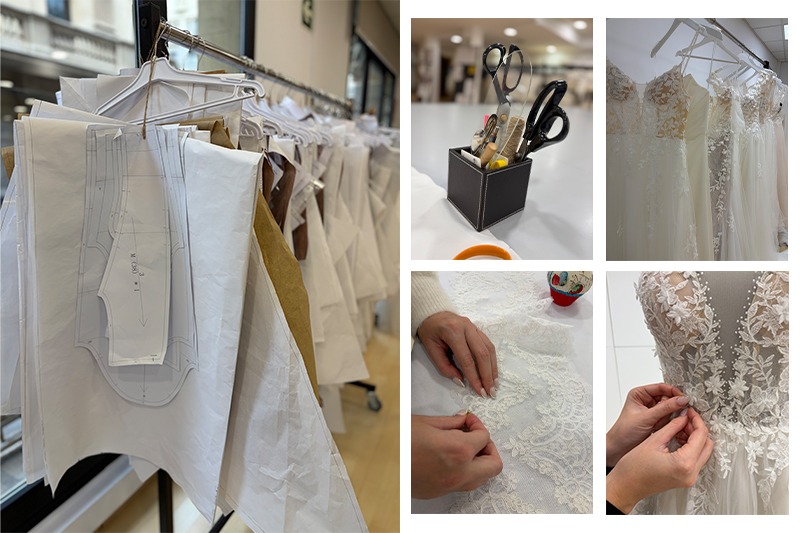
In today’s competitive bridal landscape, reliability is not a marketing buzzword or just a hype. It is a measurable, operational commitment that determines whether a boutique thrives or struggles with delays, inconsistent quality, and missed opportunities.
For retailers, choosing the right wedding dress supplier and trusted wedding dress designer is not just about aesthetics — it is about process, production integrity, stock discipline, and seamless collaboration.
But the question is what does “reliable bridal manufacturing” truly mean from design to delivery? And why does it matter more than ever for bridal boutiques?
Let’s break it down.
-
Reliability Begins at the Design Stage
Reliable bridal manufacturing starts long before the first stitch is sewn. It begins with structured design development.
A professional wedding dress designer does not simply create beautiful gowns. The design process must consider:
- Commercial viability for boutiques
- Fit consistency across size ranges
- Fabric sourcing stability
- Production feasibility at scale
- Trend relevance with long-term appeal
When design and manufacturing operate in isolation, collections may look stunning on the runway but become difficult to reproduce consistently. Reliable manufacturers integrate design teams directly with production units. This ensures:
- Patterns are engineered for repeatable precision
- Construction details are scalable
- Fabrics are tested for durability and drape
- Samples reflect true production standards
This integration minimizes sampling errors, avoids costly reworks, and ensures what boutiques see is exactly what they receive.
-
Fabric Integrity and Supply Chain Stability
Fabric reliability is one of the most overlooked aspects of bridal manufacturing.
Lace lots must match. Mikado must hold structure. Tulle must maintain consistency in transparency and softness. When a wedding dress supplier lacks fabric control, boutiques risk receiving variations between orders.
Reliable bridal manufacturing requires:
- Established relationships with premium fabric mills
- Controlled stock of core fabrics
- Quality inspection at multiple checkpoints
- Long-term fabric continuity across seasons
For retailers, this consistency means fewer surprises during alterations and more predictable fitting outcomes. Brides return to the boutique with confidence, not concerns.
-
Scalable Production Without Compromising Craftsmanship
Scale does not mean sacrificing artistry. In fact, reliable bridal production depends on both.
High-capacity manufacturing — when structured correctly — provides:
- Predictable lead times
- Standardized quality checks
- Efficient workflow management
- Batch consistency
A strong wedding dress supplier operates production units that are both technologically equipped and staffed by skilled artisans. Pattern makers, lace specialists, and seam technicians work within controlled processes.
Each gown passes through structured stages:
- Pattern preparation
- Fabric cutting
- Bodice assembly
- Lace application and finishing
- Quality inspection
- Final pressing and packaging
When each stage follows documented procedures, reliability becomes a system — not chance.
-
Inventory Management: The Backbone of Reliability
Many bridal boutiques struggle with long wait times from manufacturers. Delayed deliveries directly impact fittings, wedding timelines, and customer satisfaction.
Reliable bridal manufacturing includes optimized inventory management.
Maintaining a high percentage of ready stock allows a wedding dress supplier to:
- Reduce delivery times
- Lower retailer risk
- Improve cash flow planning
- Enable fast reorders for bestsellers
For boutiques, stock availability is more than convenience — it is operational stability. When 95% of items are ready in stock, retailers can confidently serve brides without overcommitting inventory.
-
No Minimum Order: A Strategic Retail Advantage
Reliability is also flexibility.
A bridal manufacturer that imposes strict minimum orders may restrict boutique growth, particularly for new or expanding retailers. A reliable wedding dress supplier understands boutique realities:
- Seasonal fluctuations
- Local market differences
- Testing new styles without high risk
- Cash flow sensitivity
Offering no minimum order allows boutiques to curate collections intelligently. Retailers can test trends, respond to demand, and adjust stock strategy without financial pressure.
This flexibility strengthens long-term partnerships.
-
Localized Distribution and Logistics Efficiency
Manufacturing reliability extends beyond production. Logistics determine whether gowns arrive safely and on time.
Efficient distribution includes:
- Regional warehouses
- Reliable courier partnerships
- Structured order tracking
- Damage-minimizing packaging
For example, local delivery solutions in key markets, such as the USA, significantly reduce transit times and customs complications. This level of infrastructure signals that a wedding dress supplier understands global retail needs.
Timely delivery builds trust — not just with boutiques, but with brides planning one of the most important days of their lives.
-
The Role of the Bridal Atelier
Behind reliable manufacturing stands creative expertise.
A premier bridal atelier is not simply a design studio — it is a quality benchmark. Here, craftsmanship is tested, silhouettes are refined, and new techniques are perfected before entering full-scale production.
When boutiques collaborate with a manufacturer that operates its own atelier, they gain insight into:
- Design innovation
- Fabric experimentation
- Construction advancements
- Trend forecasting
This creative foundation ensures that each gown is not only commercially viable but also aesthetically refined.
For retailers, an atelier-backed wedding dress designer offers assurance that style leadership and manufacturing reliability coexist.
-
Dedicated Retailer Support
Reliability is human, not only technical.
A dependable wedding dress supplier offers structured support systems:
- Dedicated account managers
- Responsive communication
- Clear reorder processes
- Product training guidance
Retailers benefit when support teams assist with:
- Size recommendations
- Fabric explanations
- Collection curation
- Order coordination
Bridal retail is emotional and detail-driven. Reliable suppliers recognize this and provide proactive service rather than reactive responses.
-
Digital B2B Platforms: Modernizing Wholesale
Today’s bridal industry demands efficiency. A robust B2B platform allows retailers to:
- Access collections 24/7
- View real-time stock availability
- Order seamlessly
- Track shipments
- Access exclusive retailer pricing
Digital infrastructure reduces friction and enhances transparency. A technologically advanced wedding dress supplier ensures that ordering becomes predictable, structured, and easy.
For boutiques, this translates into saved time, reduced administrative work, and faster purchasing decisions.
-
Quality Control: The Non-Negotiable Standard
Reliability ultimately comes down to quality consistency.
Professional manufacturers implement multi-stage inspections:
- Fabric defect screening
- Seam strength checks
- Lace alignment verification
- Size measurement confirmation
- Final aesthetic approval
Each gown must meet established standards before leaving the facility.
This systematic quality control protects boutique reputation. When brides try on gowns that fit correctly, drape beautifully, and maintain structural integrity, trust in the boutique grows.
And trust drives referrals.
-
Global Reach with Local Sensitivity
A reliable wedding dress designer and manufacturer serving 80+ countries must understand diverse markets.
Regional preferences vary:
- Minimalist crepe silhouettes in urban markets
- Romantic lace A-lines in traditional regions
- Lightweight gowns for warmer climates
- Structured bodices for formal venues
Reliable manufacturing adapts collections without compromising identity. This flexibility allows boutiques worldwide to select styles aligned with their clientele.
-
Partnership, Not Just Supply
The most important distinction between a manufacturer and a partner is mindset.
A transactional supplier delivers products.
A reliable partner delivers:
- Consistent communication
- Production transparency
- Inventory stability
- Market insight
- Long-term collaboration
Bridal boutiques deserve more than inventory — they deserve alignment.
When a wedding dress supplier sees itself as a strategic partner, the relationship shifts from order-based to growth-focused.
Conclusion: Reliability Is a System, Not a Promise
From initial sketch to final shipment, reliable bridal manufacturing is built on:
- Integrated design and production
- Fabric stability
- High-capacity, controlled manufacturing
- Stock optimization
- Flexible ordering
- Efficient logistics
- Atelier-driven craftsmanship
- Dedicated retailer support
- Transparent B2B systems
- Rigorous quality control
Strict quality control matters. For bridal boutiques, picking the right wedding dress supplier and a designer you trust isn’t just about finding the prettiest gowns. It’s about knowing your business is in good hands. Sure, gorgeous dresses grab attention, but what really keeps a boutique running strong is reliability. When your design team, production, and delivery all work together smoothly, you stop worrying about what’s going on behind the scenes.
You get to focus on the real goal: making brides feel amazing when they say yes.

 Follow on Instagram